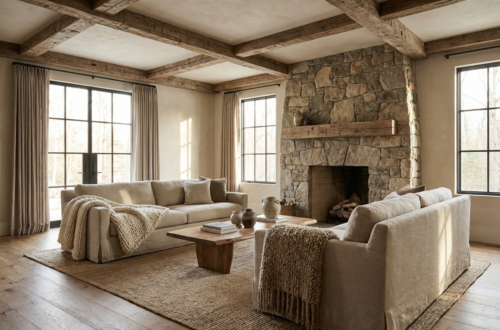
Limewash Walls and Textured Plaster: The New Foundation of Rustic Modern Revival
Rustic interiors are no longer defined by furniture alone.
In today’s evolving design landscape, walls have become architectural statements — shaping how a home feels before a single object is added.
Limewash walls and textured plaster finishes are emerging as the quiet foundation of Rustic Modern Revival, replacing flat paint with surfaces that feel lived-in, human, and deeply calming.
This shift isn’t decorative. It reflects a broader return to authenticity, craftsmanship, and emotional comfort in modern rustic living.
Why Limewash Walls and Textured Plaster Are Defining Rustic Modern Revival
For years, walls were treated as a backdrop — something neutral, clean, and largely invisible. Rustic Modern Revival challenges that idea.
Today’s rustic interiors prioritize:
- Sensory experience
- Material honesty
- Subtle imperfection
Textured walls introduce depth without clutter. They soften light, enhance warmth, and create spaces that feel grounded rather than styled.
In many ways, walls are becoming the soul of the home.
Limewash vs Paint: What Makes It Different
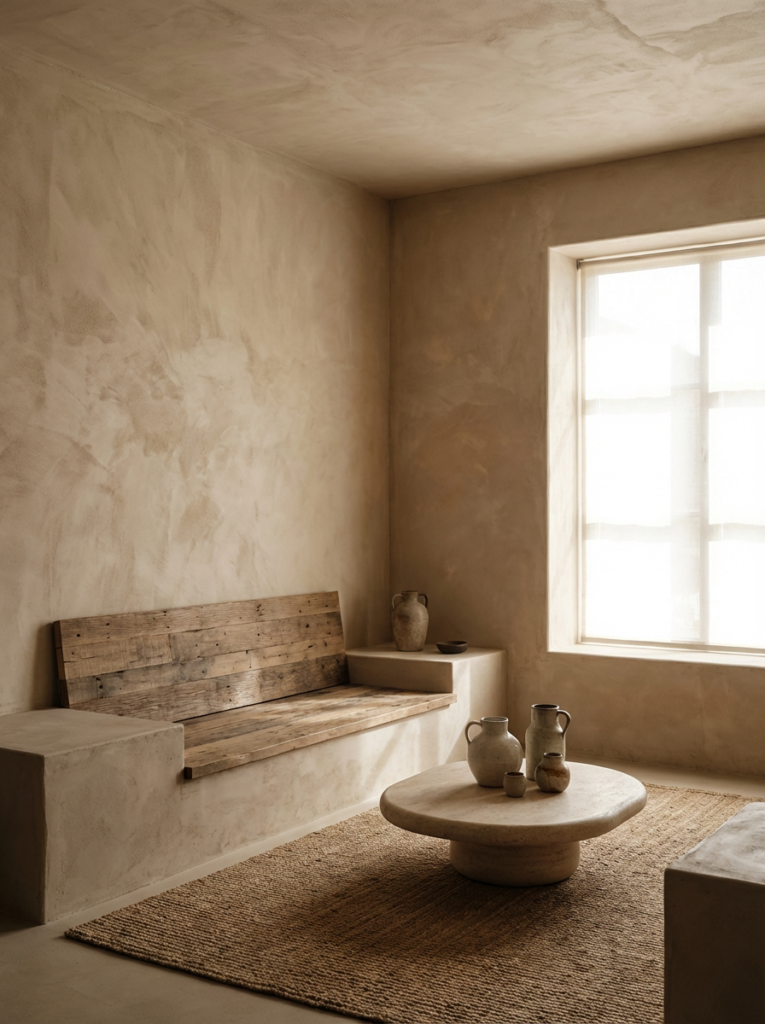
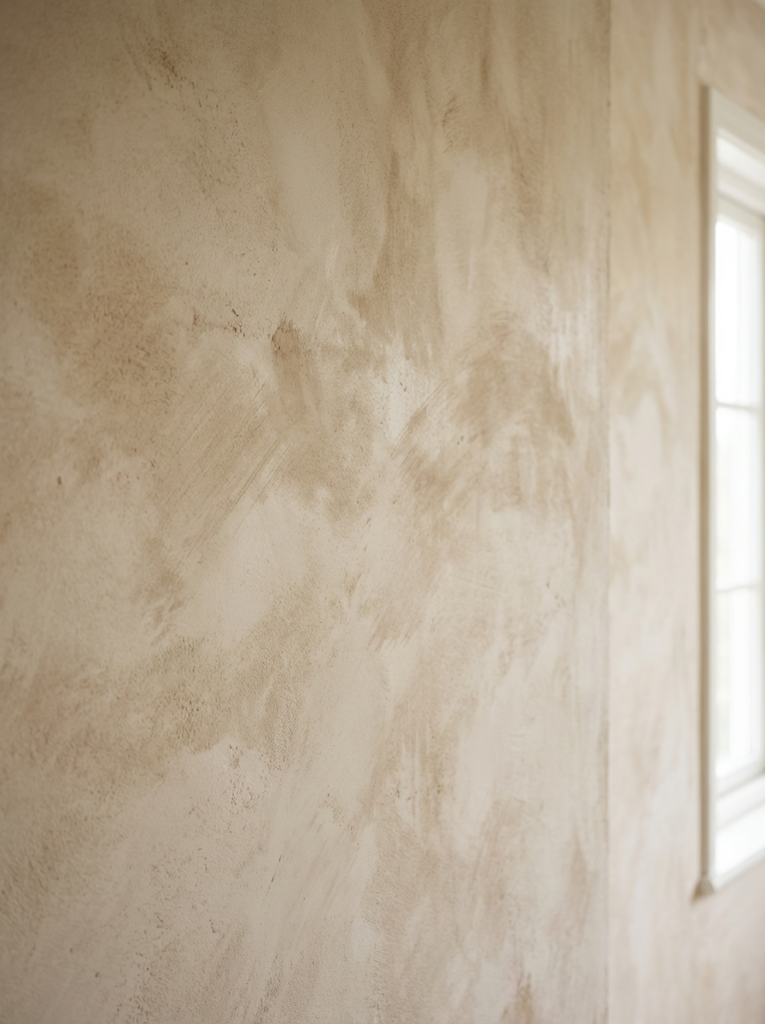
Limewash is not paint in the traditional sense. Made from crushed limestone and natural pigments, it penetrates the surface rather than coating it.
This creates:
- A soft, chalky finish
- Natural tonal variation
- A breathable, matte surface
Unlike modern paint, limewash reacts to light throughout the day, giving walls a living quality. Subtle shifts in shade add richness without visual noise — a key principle of Rustic Modern Revival.
Textured Plaster as a Design Statement
Textured plaster goes beyond finish — it becomes form.
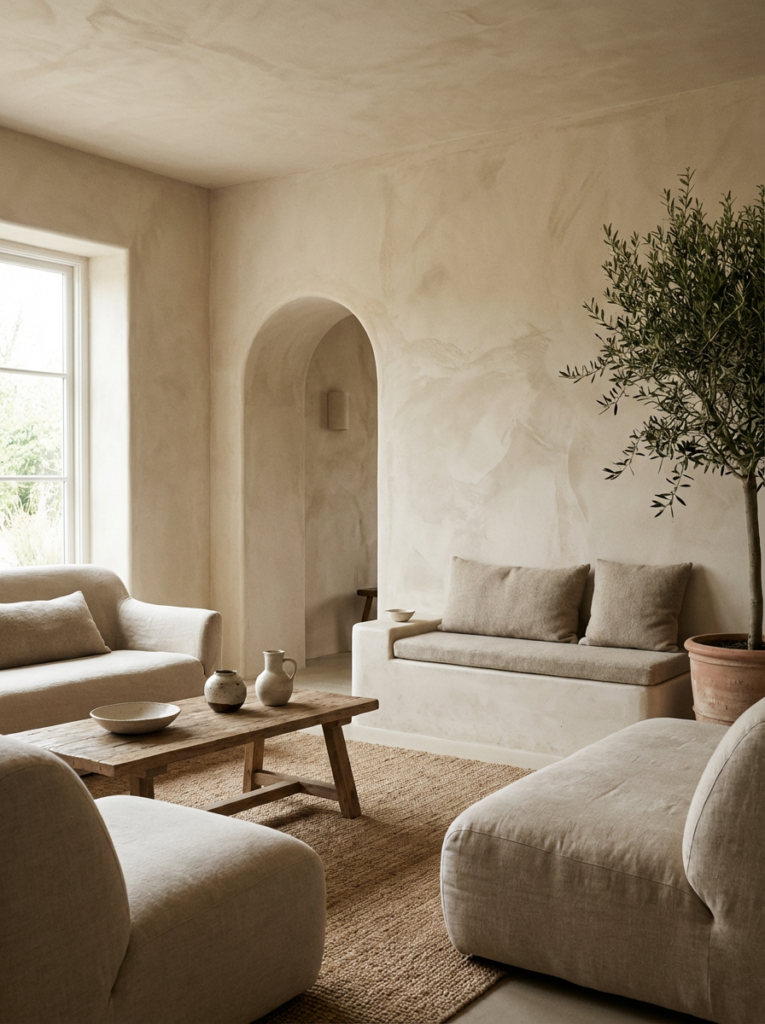
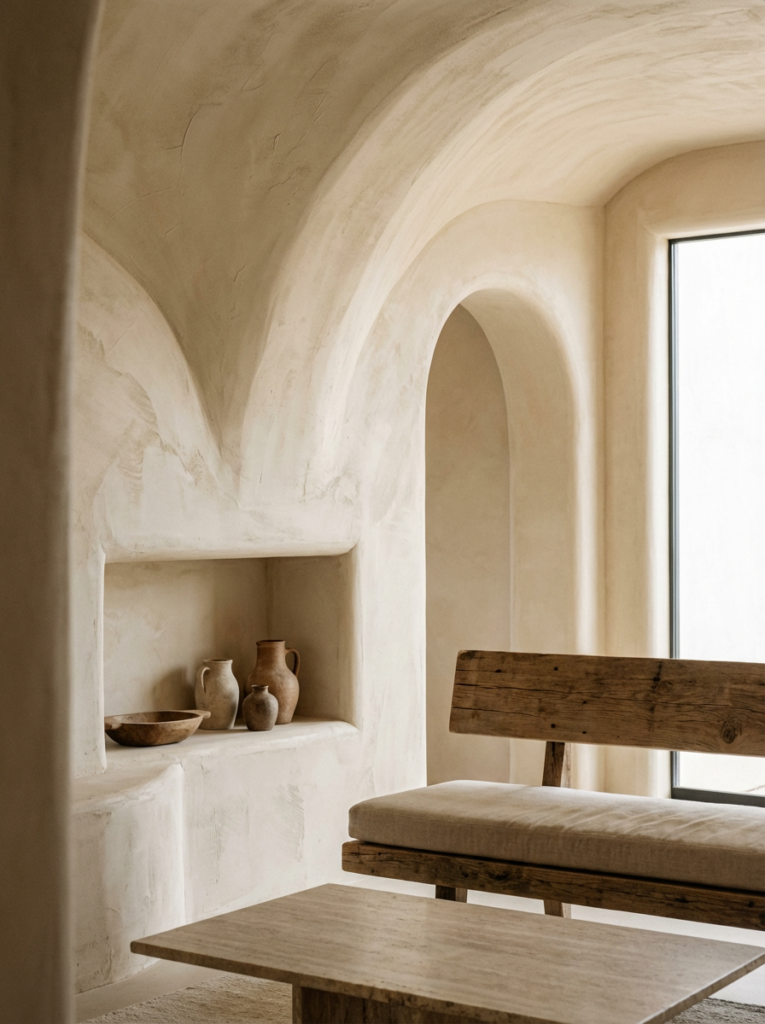
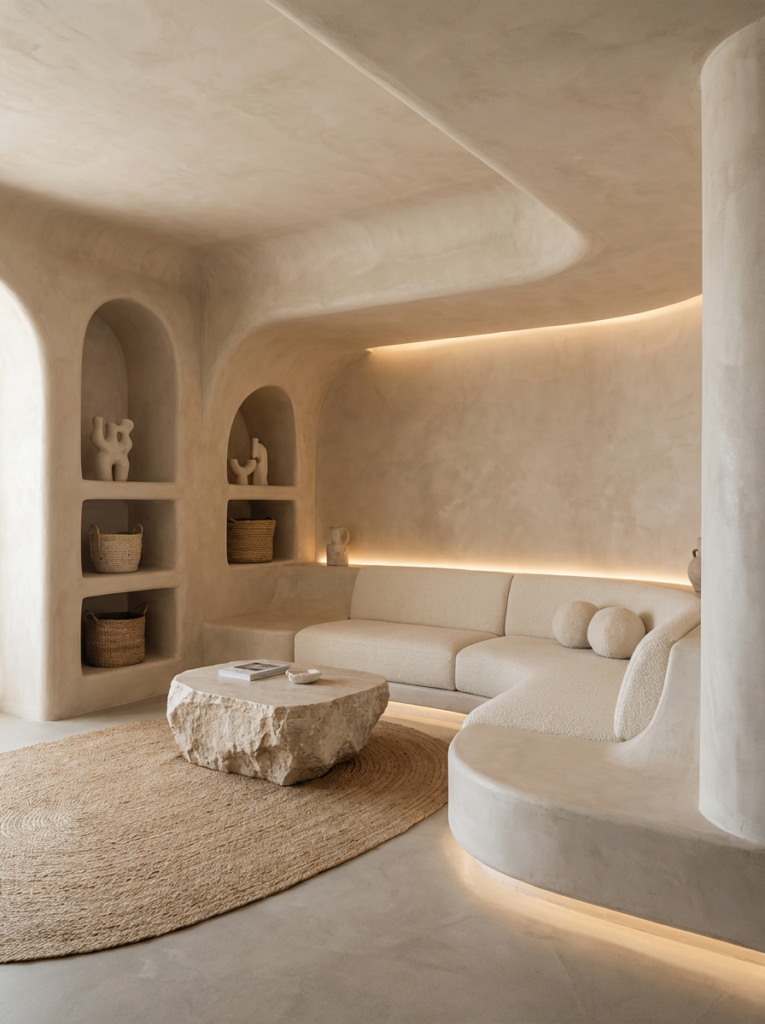
Applied by hand, plaster surfaces carry movement, irregularity, and intention. These walls don’t aim for perfection. They celebrate craftsmanship.
In rustic modern interiors, plaster:
- Replaces decorative wall art
- Enhances architectural curves
- Adds quiet drama through texture
Plaster walls pair naturally with organic curves, arched doorways, and sculpted niches — reinforcing the revival’s architectural language.
How Imperfect Walls Create Calm
One of the most overlooked benefits of limewash and plaster is their emotional impact.
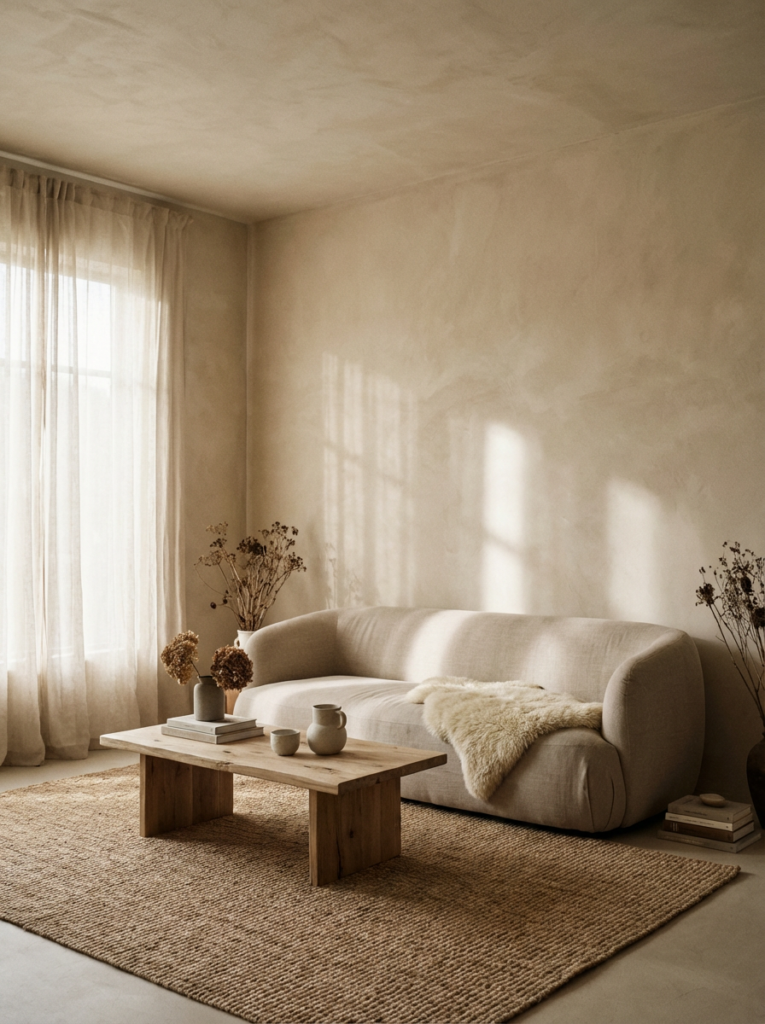
Perfectly smooth, glossy walls reflect light harshly and feel sterile. Textured surfaces soften the environment.
Imperfect walls:
- Absorb light gently
- Reduce visual tension
- Create a sense of enclosure and comfort
This aligns closely with wellness-driven design and slow living — two pillars of Rustic Modern Revival.
Modern Rustic Luxe vs Rustic Modern Revival (Surface Comparison)
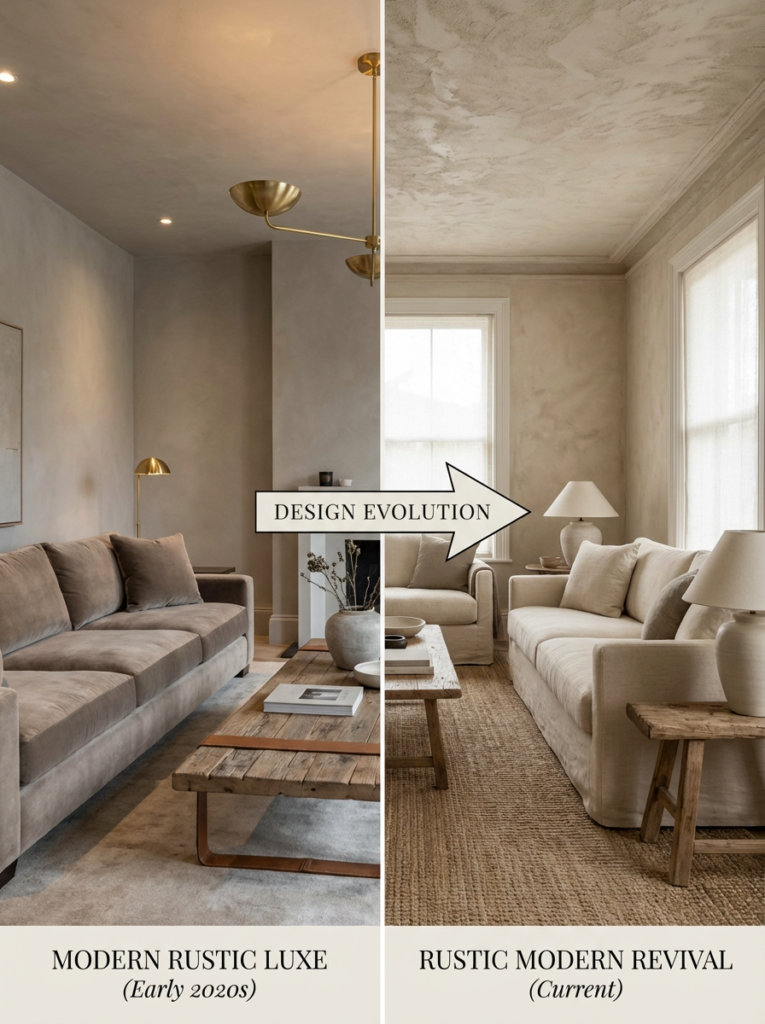
Understanding the evolution of rustic living becomes clearer when comparing surface treatments:
Modern Rustic Luxe (2025)
- Smooth finishes
- Layered decor
- Refined materials
- Polished but warm
Rustic Modern Revival (2026+)
- Limewash and plaster walls
- Fewer decorative elements
- Sculptural architecture
- Emotional and sensory depth
Where Modern Rustic Luxe elevated rustic living, Rustic Modern Revival simplifies it — allowing materials to speak.
Where This Movement Is Headed Next
As rustic interiors continue to evolve, textured walls will become foundational rather than optional.
Expect to see:
- Full-room plaster finishes
- Integrated niches and built-ins
- Seamless transitions between walls and ceilings
- Neutral palettes focused on clay, sand, and stone
These surfaces set the stage for a future where rustic living feels quieter, more intentional, and deeply human.
Texture as the New Luxury in Rustic Living
Limewash walls and textured plaster are not trends — they are a return to material truth.
In Rustic Modern Revival homes, luxury is no longer defined by shine or excess. It’s found in restraint, texture, and the way a space makes you feel.
Walls, once overlooked, now anchor the entire experience of modern rustic living.

Ayla Wood
Ayla Wood is a rustic home and decor blogger who curates cabin style, cozy interiors, and warm, nature-inspired design. Her work brings the charm of rustic living into everyday life.


You May Also Like
Modern Rustic Cabin Bedroom Ideas: Create Your Cozy Sanctuary