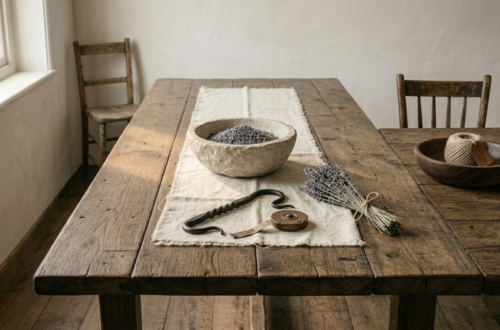
The Art of Craft, Materials & Slow Living: A Guide to Soulful Slow Living Interiors
In an era defined by mass production and fleeting trends, the true luxury of a home lies in its authenticity. At Rustic Dream Life, we believe that a space becomes a sanctuary not through the items we accumulate, but through the materials we choose and the stories they tell.
This guide explores the foundation of Craft, Materials & Slow Living interiors. It is an invitation to move away from the synthetic and toward the organic—creating a home that doesn’t just look beautiful but feels deeply grounded.
The Philosophy of Slow Living Interiors
Slow living is the antithesis of the “disposable” home. It is a design philosophy rooted in intentionality. When we prioritize materials like reclaimed timber, hand-forged metal, and organic linens, we are making a choice to surround ourselves with elements that age gracefully.
A slow-living home is tactile. it invites you to run your hand over a rough-hewn beam or feel the cool grain of a stone floor. It is about sensory comfort and the “Quiet Luxury” of knowing exactly where your belongings came from.
1. The Soul of the Home: Natural Materials
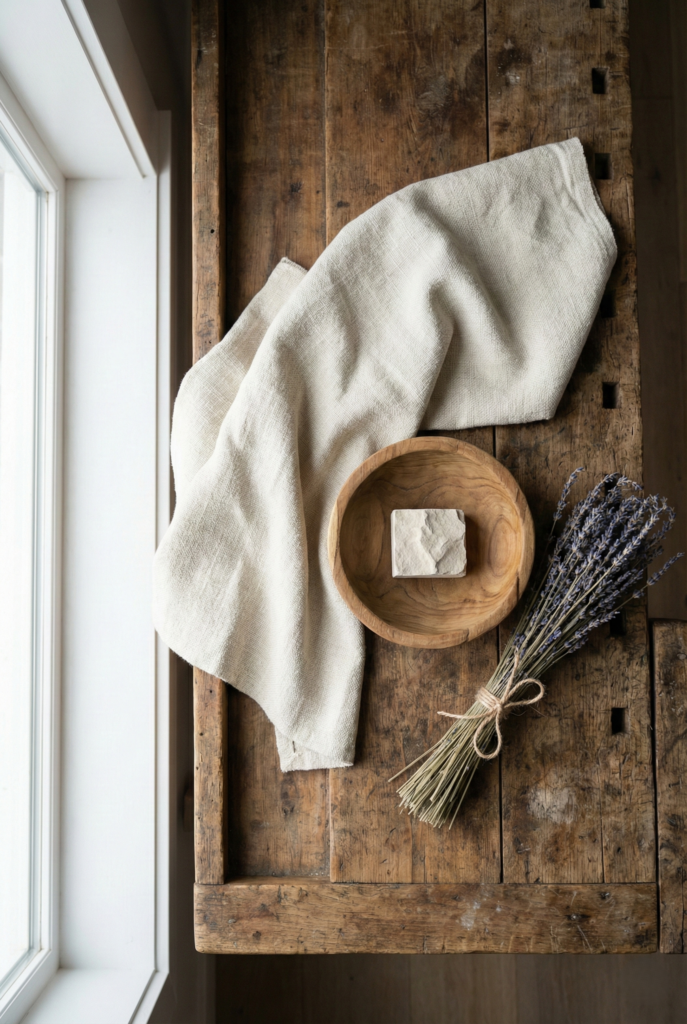
To achieve a truly timeless rustic aesthetic, we lean on four foundational materials. These are the building blocks of every cabin, cottage, and modern rustic retreat we feature.
Wood: The Anchor of Warmth
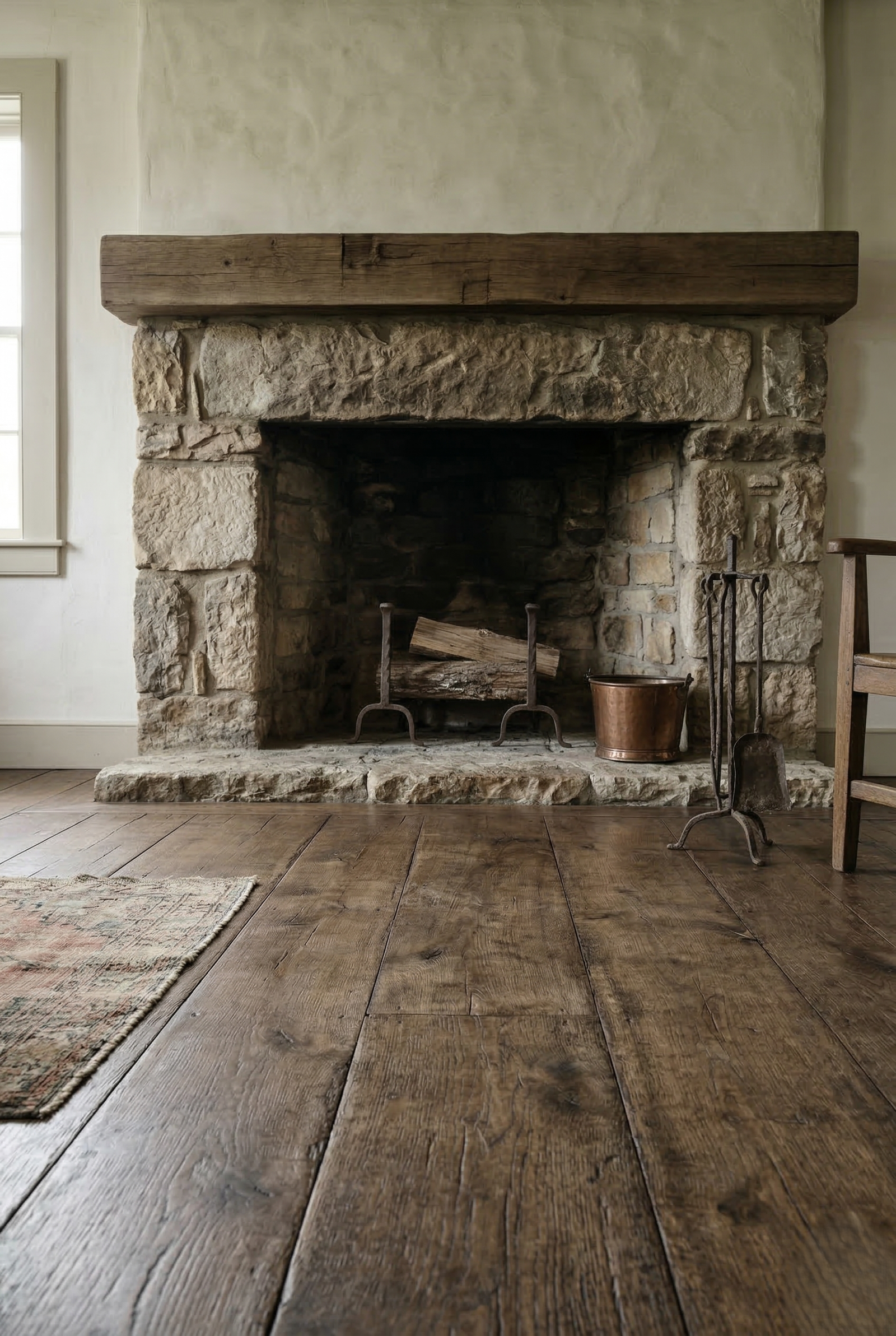
Whether it is the structural integrity of a ceiling beam or the weathered patina of a dining table, wood is the heartbeat of rustic design. We prioritize reclaimed and sustainably sourced timber because of its history and the “perfect imperfections” that new wood cannot replicate.
Stone & Earth: The Grounding Elements
From limestone hearths to textured plaster walls, earth-based materials bring a sense of permanence. They provide a cool, matte contrast to the warmth of wood, creating the balanced “Modern Rustic” look.
Fibers: The Softness of Nature
In a slow-living home, textiles are never synthetic. We look to organic linen, raw wool, and jute. these materials are breathable, durable, and possess a natural weight that drapes beautifully in a sunlit room.
Clay & Metal: The Artisanal Touch
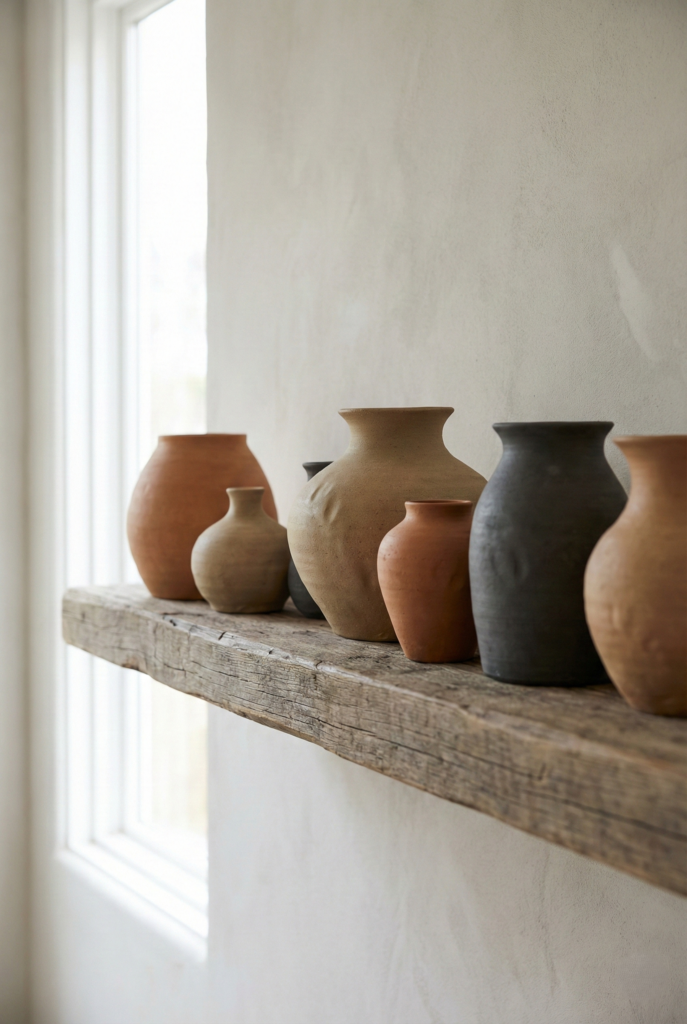
Hand-thrown ceramics and hand-forged ironmongery are the “jewelry” of the home. They represent the human hand in the design process, ensuring that no two pieces are exactly alike.
2. Why “Handmade” is the Ultimate Luxury
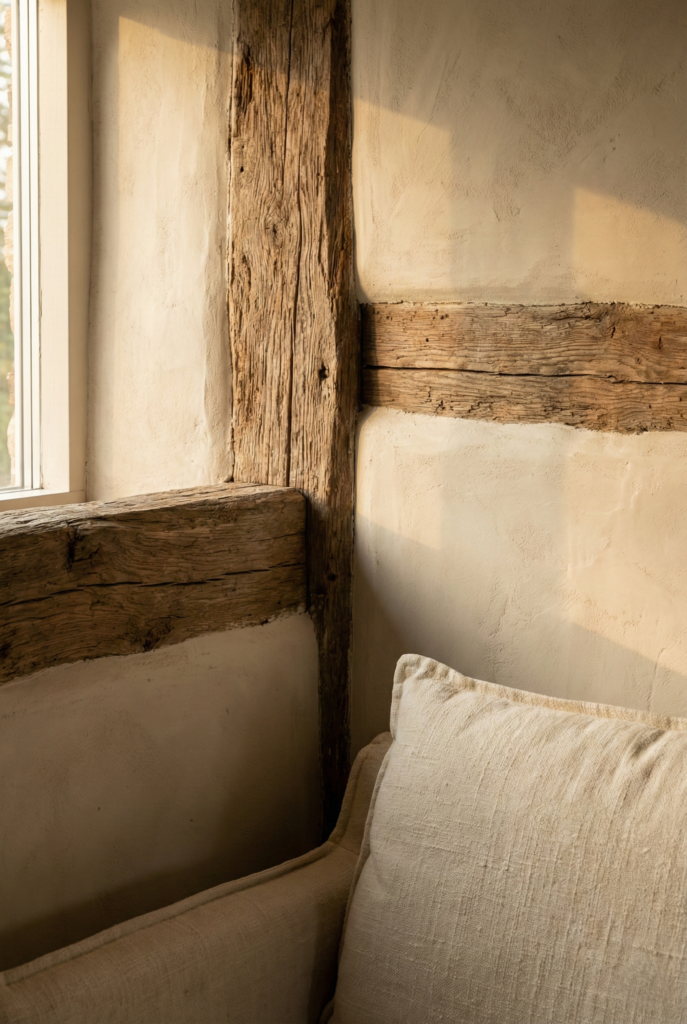
In our brand framework, we differentiate between “staged” interiors and “lived-in” souls. The difference is often found in craftsmanship. Supporting local artisans and small-scale makers isn’t just an ethical choice; it’s an aesthetic one.
An artisanal object—a hand-carved spoon, a woven basket, or a custom-built mantle—carries the energy of the maker. It adds a layer of depth that mass-market decor simply lacks.
3. Creating Depth Through Texture
The secret to a “Warm, Natural” atmosphere is the layering of textures rather than colors. In a Slow Living interior, we often work with a soft neutral palette (creams, ochres, and earthy browns).
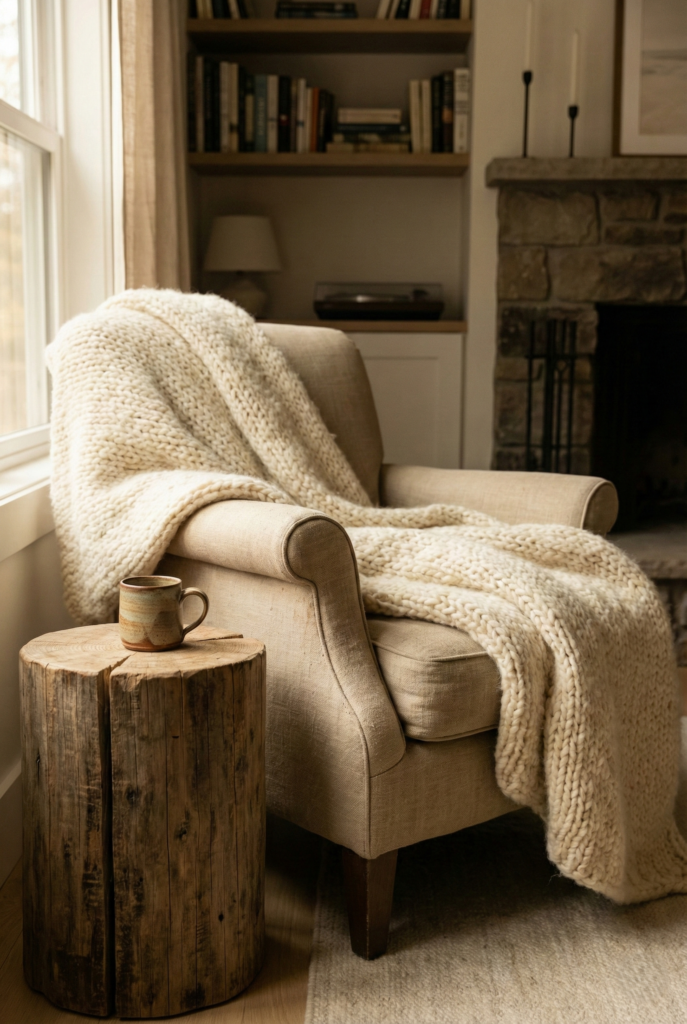
By keeping the colors quiet, we allow the textures to speak. A linen sofa against a limewashed wall, topped with a chunky wool throw and anchored by a reclaimed wood coffee table, creates a visual richness that feels sophisticated yet incredibly cozy.
4. Sustainability and Longevity
Choosing authentic materials is an act of sustainability. Natural materials do not “wear out”; they “age in.” A stone floor becomes more beautiful with decades of foot traffic. A leather chair develops a rich patina. By investing in quality, we reduce waste and create a legacy for the next generation.
To ensure your home supports a healthy planet, look for materials that are certified for their environmental responsibility.
The Journey Toward a Soulful Home
Creating a home through the lens of Slow Living is not an overnight transformation; it is a gradual curation of pieces that resonate with your spirit. By prioritizing authentic materials and honoring the work of the craftsman, you move away from the noise of consumerism and toward a space that offers genuine restoration.
As you begin to audit your surroundings, start with the elements that carry the most history. The textures you choose today—the grain of a table, the weave of a linen throw, the cool touch of stone—are the foundations of the stories your home will tell for years to come.
Continue Your Exploration
Ready to bring the warmth of history into your own space? Start with our deep-dive guide on the most iconic of all rustic materials:
Read: The Beauty of Reclaimed Wood: How to Bring History and Warmth into Your Home →

Ayla Wood
Ayla Wood is a rustic home and decor blogger who curates cabin style, cozy interiors, and warm, nature-inspired design. Her work brings the charm of rustic living into everyday life.