Organic Curves in Rustic Modern Interiors: Why Soft Shapes Define the Future of Rustic Living
Rustic interiors are changing — quietly, intentionally, and with more emotional depth than ever before.
One of the clearest signals of this shift is the return of organic curves.
Where rustic homes once relied on strong lines, heavy beams, and sharp contrasts, the future of rustic living is softer, calmer, and more human-centered. Rounded forms, sculpted walls, and gentle transitions are becoming the new language of Rustic Modern Revival.
This evolution is not decorative. It reflects how people want their homes to feel.
In today’s design landscape, organic curves in rustic modern interiors reflect a deeper shift toward comfort, craftsmanship, and human-centered living — moving rustic homes away from rigid structure and toward softness and flow.
The Shift From Hard Lines to Soft Living
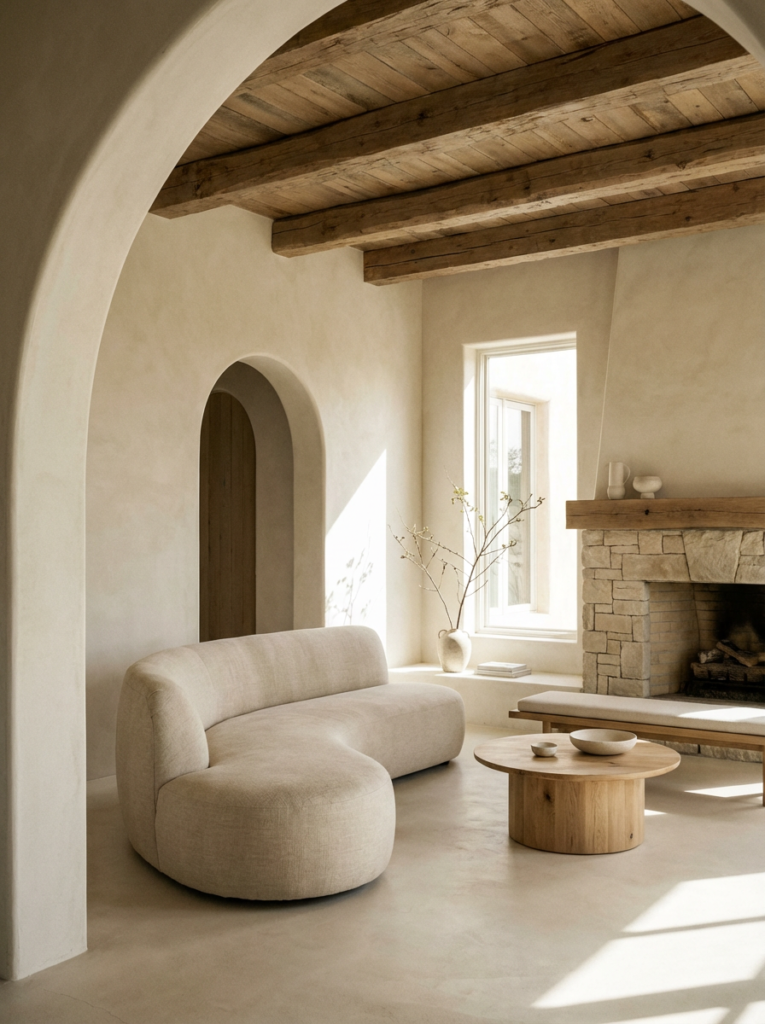
Traditional rustic design often leaned on structure: straight beams, rectangular furniture, and defined edges. While timeless, this approach can feel visually heavy in modern homes.
Organic curves soften that rigidity. They introduce movement, warmth, and a sense of flow that feels more aligned with contemporary lifestyles. Instead of framing spaces, curved elements guide you through them.
This shift is central to the Rustic Modern Revival movement — a design philosophy focused on emotional comfort, craftsmanship, and calm living.
Why Organic Curves in Rustic Modern Interiors Are Replacing Sharp Lines
The rise of curves in rustic modern interiors is driven by several factors:
- Psychological comfort
Curved shapes feel safer and more welcoming. They reduce visual tension and promote relaxation. - Nature-inspired design
Curves echo natural forms: eroded stone, river paths, caves, and hills. This biophilic influence is core to modern rustic living. - A reaction to over-structured styles
Farmhouse and industrial rustic aesthetics often relied on hard geometry. Organic forms offer a quieter, more refined alternative.
In Rustic Modern Revival interiors, softness becomes a form of luxury.
Arched Doorways and Passages
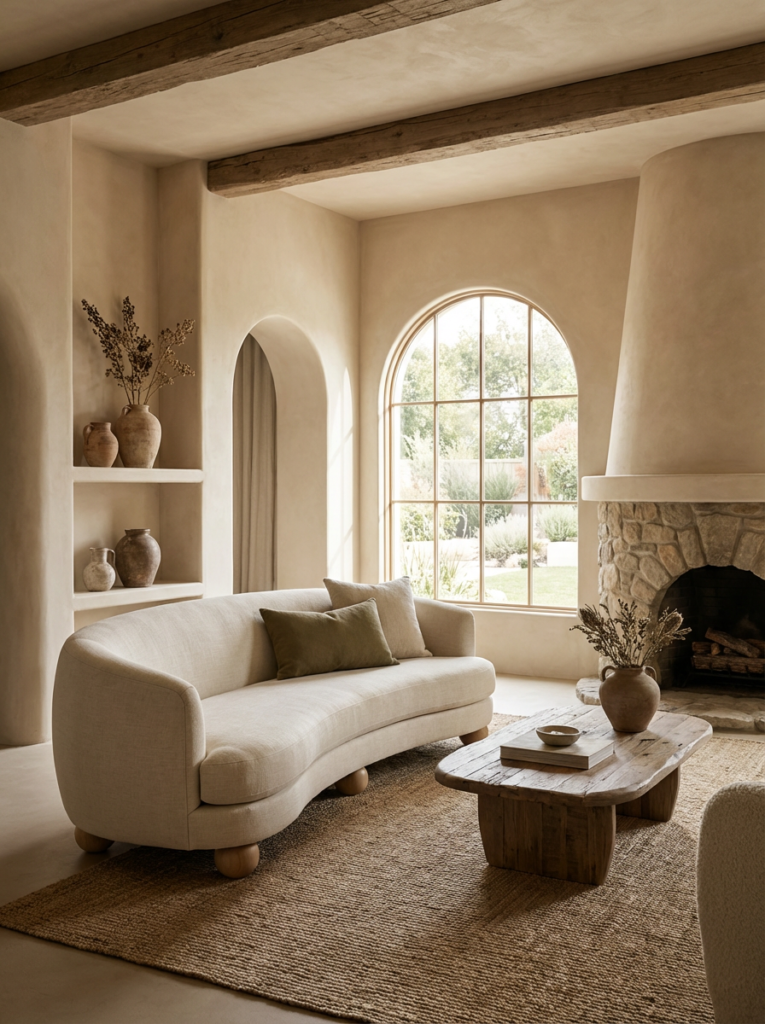
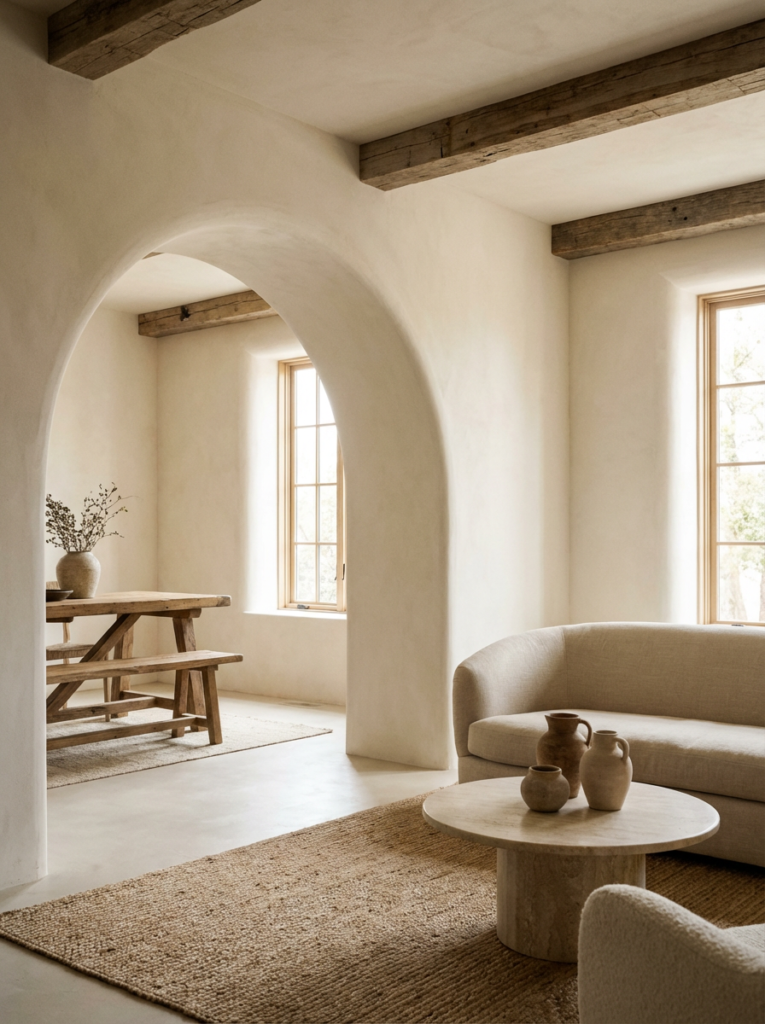
One of the most recognizable expressions of organic curves is the return of arched openings.
Arches soften transitions between rooms and create a sense of continuity rather than separation. Whether finished in plaster, stone, or wood, arched doorways feel rooted in tradition while remaining visually light.
In modern rustic homes, arches are often left simple — no ornate detailing, just smooth, sculptural forms that let texture and light do the work.
Curved Walls, Niches, and Built-In Details
Beyond doorways, organic curves are shaping entire surfaces.
Curved walls and recessed niches replace framed decor and busy styling. These elements feel architectural rather than decorative, allowing rustic interiors to breathe.
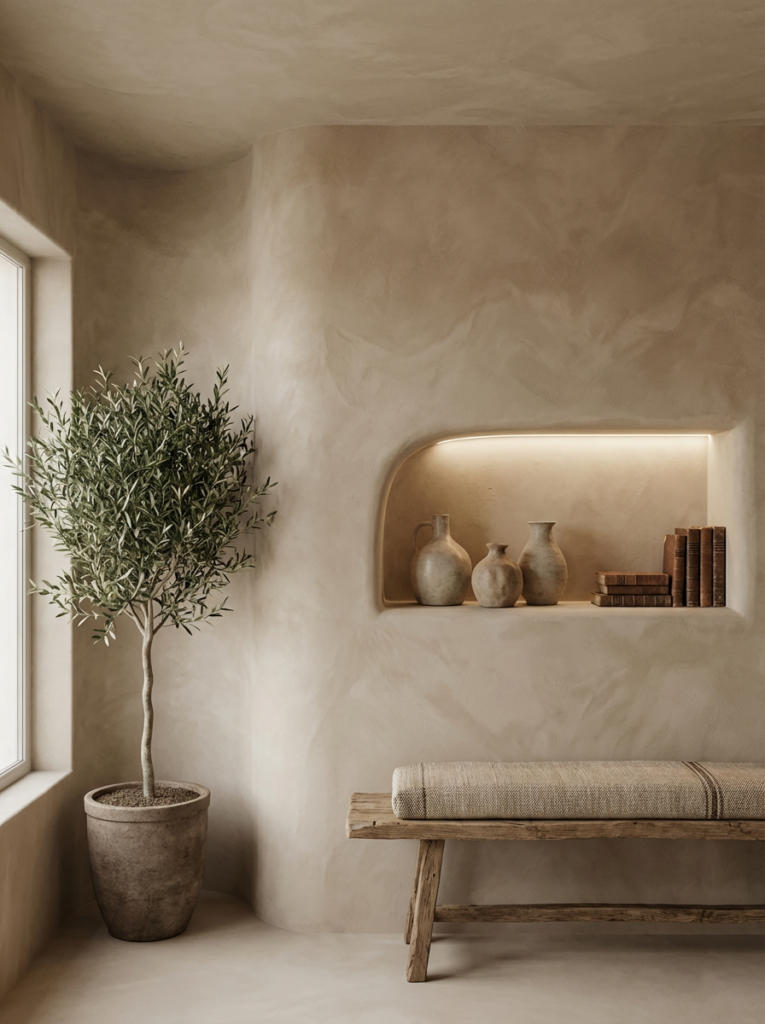
Built-in niches made from plaster or stone offer subtle visual interest while maintaining a minimalist, grounded aesthetic. They reflect craftsmanship and permanence — two pillars of rustic modern design.
Rounded Furniture and Sculptural Forms
Furniture is another place where organic curves shine.
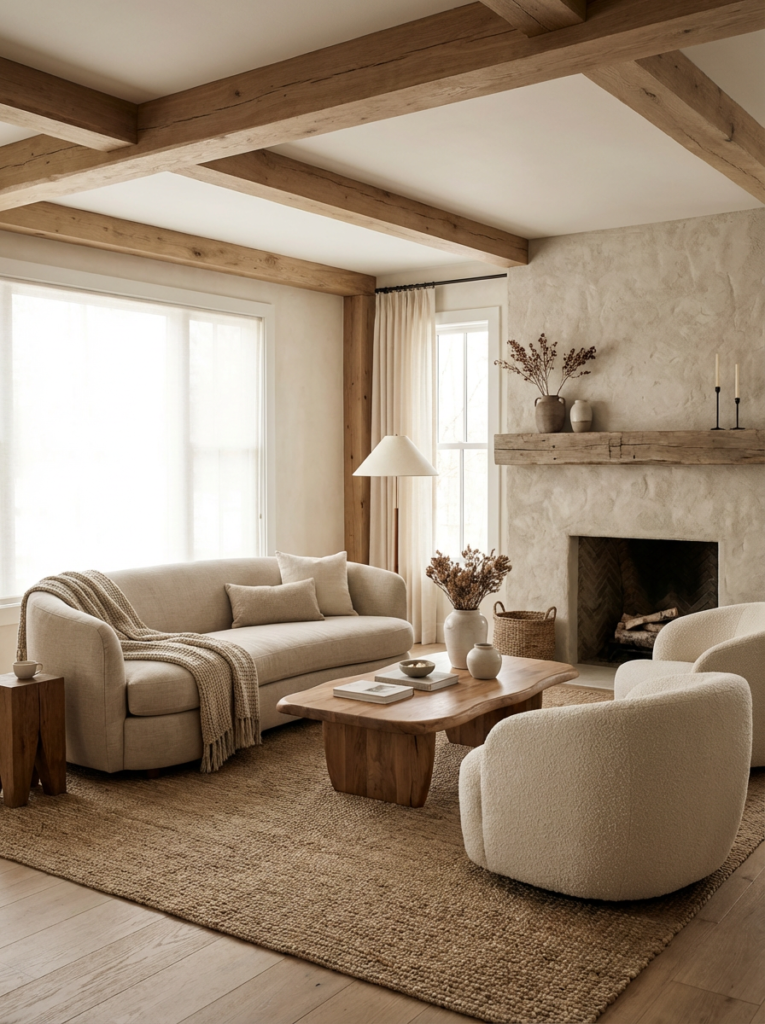
Instead of angular silhouettes, Rustic Modern Revival favors:
- Soft, rounded sofas
- Sculptural armchairs
- Oval and circular tables
- Low-profile seating that feels grounded
These pieces bring warmth without clutter. They emphasize form and proportion over ornamentation, creating spaces that feel intentional and livable.
This approach also sets the stage for future monetization through curated furniture and decor selections.
How Curves Change the Feeling of a Rustic Space
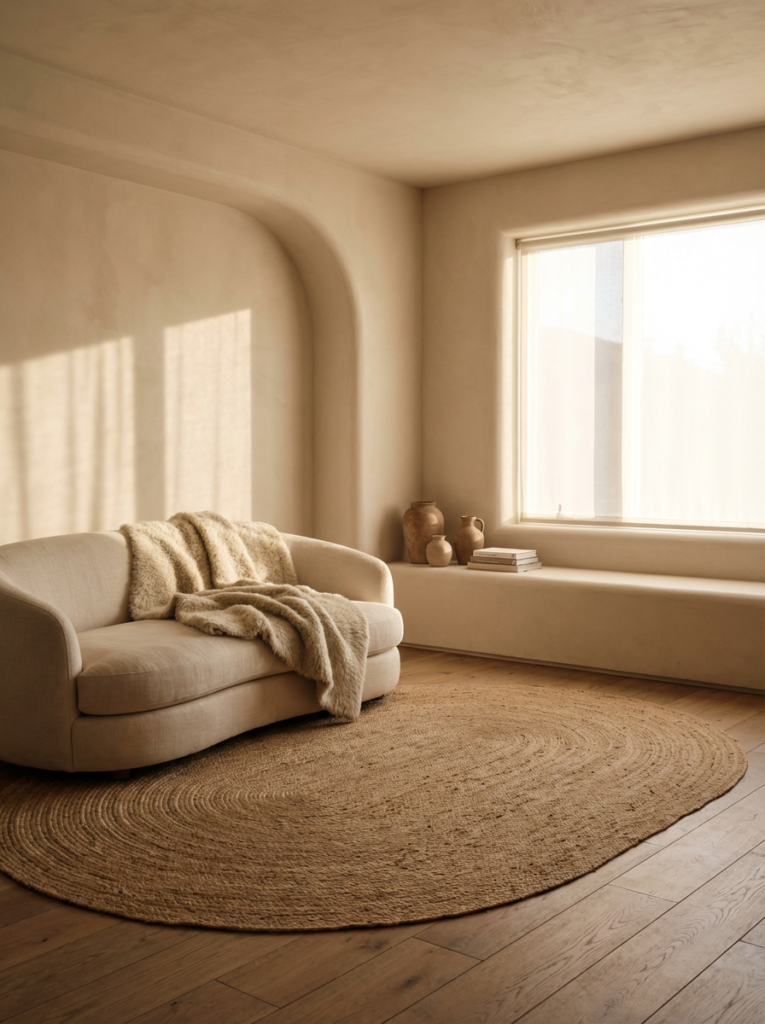
Organic curves don’t just change how a space looks — they change how it feels.
Curved elements:
- Encourage visual flow
- Reduce harsh contrasts
- Create a sense of calm and enclosure
In rustic modern interiors, curves support slow living and wellness-focused design. The home becomes a place to rest, reset, and reconnect rather than impress.
Modern Rustic Luxe vs Rustic Modern Revival
Understanding this shift is easier when comparing the two phases of modern rustic living:
Modern Rustic Luxe (2025)
- Layered textures
- Refined finishes
- Balanced old and new
- Cozy but elevated
Rustic Modern Revival (2026 and beyond)
- Sculpted forms
- Organic curves
- Fewer, stronger elements
- Emotional and sensory comfort
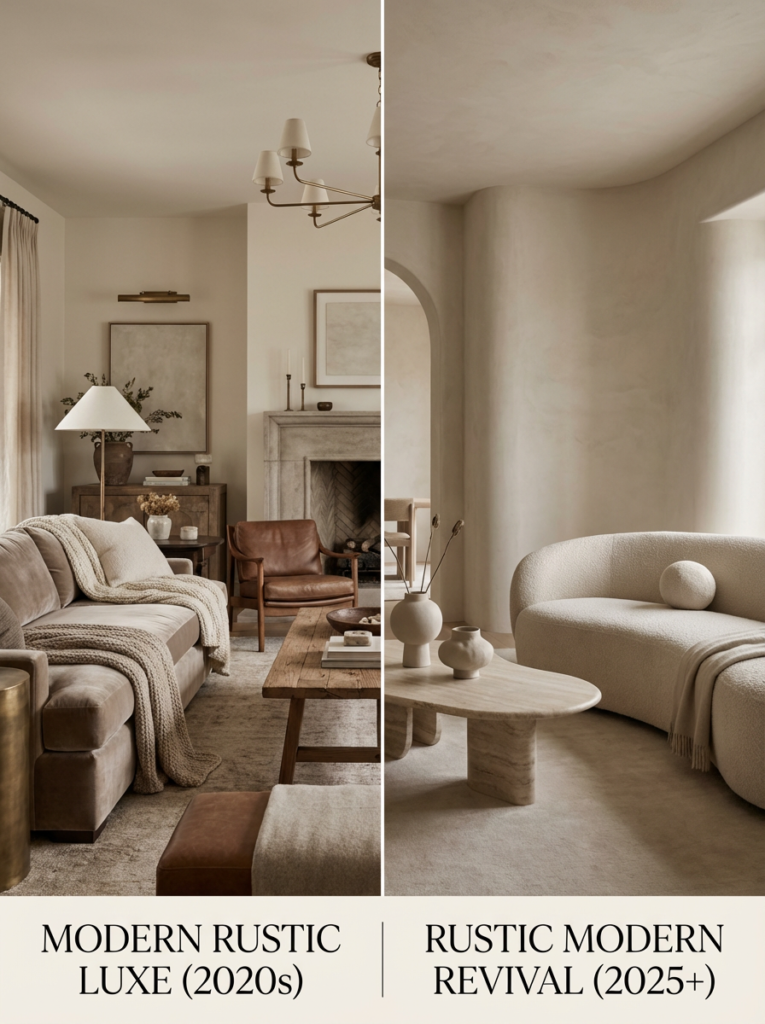
Curves act as the bridge between these two eras — evolving rustic design without losing its soul.
The Future of Rustic Living Is Soft, Not Sharp
Organic curves are not a passing trend. They represent a deeper movement toward homes that feel grounded, human, and emotionally supportive.
As Rustic Modern Revival continues to evolve, curved forms will remain a defining feature — shaping spaces that feel timeless, intentional, and quietly luxurious.
Rustic living is no longer about nostalgia.
It’s about how a home makes you feel.

Ayla Wood
Ayla Wood is a rustic home and decor blogger who curates cabin style, cozy interiors, and warm, nature-inspired design. Her work brings the charm of rustic living into everyday life.


You May Also Like
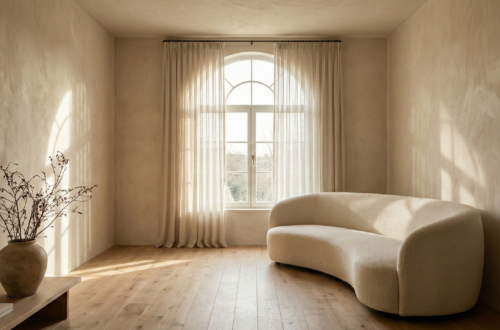
The Ultimate Guide to Rustic Modern Revival (2026) – Why the future of interiors is raw, organic, and imperfect.
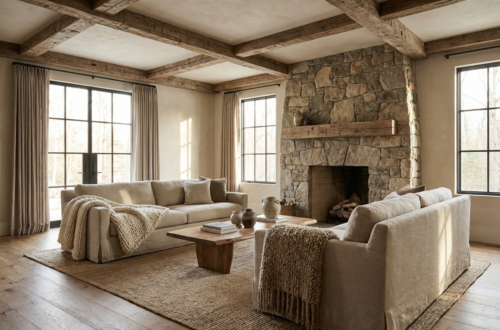
The Evolution of Rustic Living: From Modern Rustic Luxe to Rustic Modern Revival