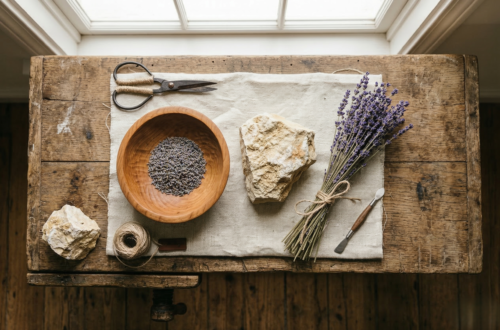
The Beauty of Reclaimed Wood: How to Bring History and Warmth into Your Home
There is a profound difference between a house that is merely decorated and a home that feels lived-in. In the world of modern rustic design, that difference often comes down to the materials we choose to surround ourselves with. While mass-produced furniture offers convenience, it often lacks the soul and narrative required to create a truly timeless space.
This is where reclaimed wood becomes the hero of the interior. It is more than a sustainable choice; it is a way to anchor a room in history, bringing a sense of permanence and quiet luxury to even the most contemporary home.
More Than Material: The Philosophy of Slow Living
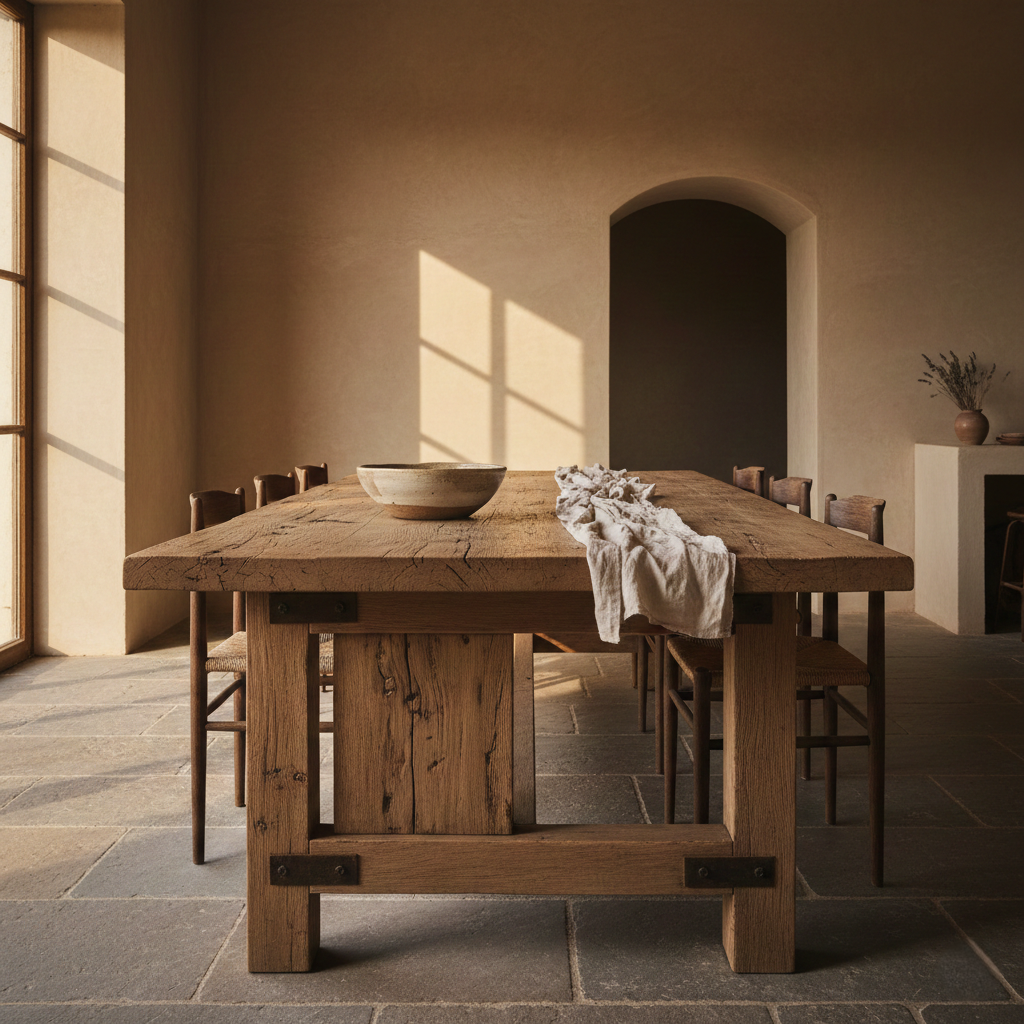
At the heart of the Slow Living movement is the idea of intentionality. Choosing reclaimed timber is a rejection of the “fast furniture” culture. Every beam, floorboard, or tabletop carries the marks of its previous life—weathered grain from an old barn, nail holes from a century-old factory, or the deep patina that only decades of sun and wind can produce.
Integrating these elements into your home isn’t just about aesthetics; it’s about a connection to the past. It aligns perfectly with a nature-connected home, where the materials reflect the raw beauty of the outdoors.
Why Reclaimed Wood Defines “Quiet Luxury”
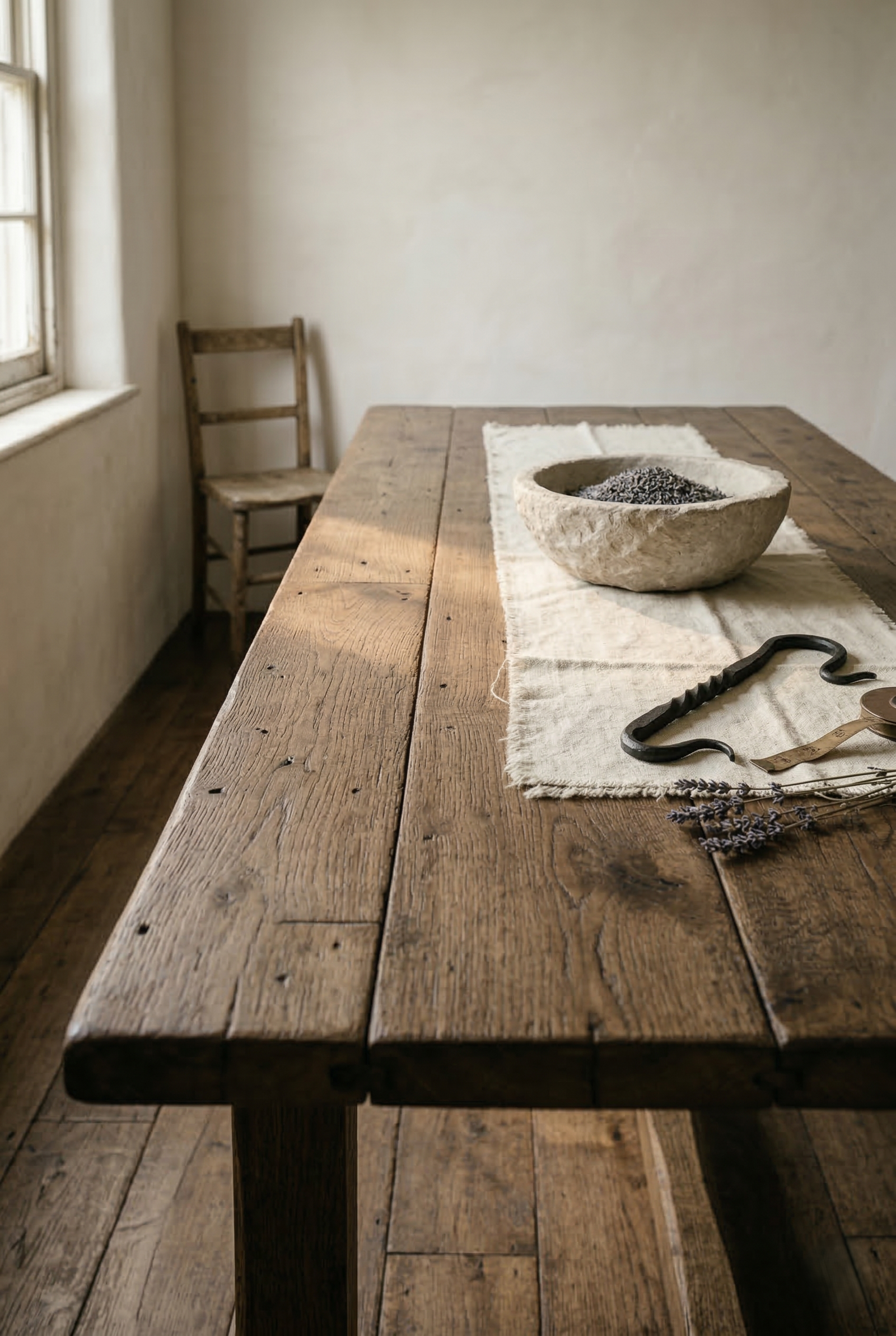
In our 2025/2026 trend forecasts, we’ve discussed the shift toward Rustic Modern Revival. This style moves away from the “shabby chic” clichés of the past and toward a more elevated, “quiet luxury” feel. Reclaimed wood is the foundation of this look because it provides a high-contrast texture.
When you pair a rough-hewn, salvaged oak table with smooth, textured plaster walls and soft linen upholstery, you create a sensory experience. The wood provides the “weight” and history, while the modern finishes provide the air and light. This balance is what makes a space feel expensive yet completely unpretentious.
Essential Types of Reclaimed Wood for Your Interior
To use reclaimed wood effectively, it helps to understand the different characters available:
- Barn Wood: Known for its iconic silver-gray or deep burnt-umber tones. It is perfect for feature walls or sliding barn doors that feel authentic rather than trendy.
- Structural Beams: Large-scale hand-hewn beams add immediate architectural soul to a living room or kitchen, making a new build feel like a historic sanctuary.
- Salvaged Flooring: Wide-plank floors made from reclaimed heart pine or oak offer a warmth and durability that modern engineered wood simply cannot replicate.
Designing with Intention: The RDL Approach
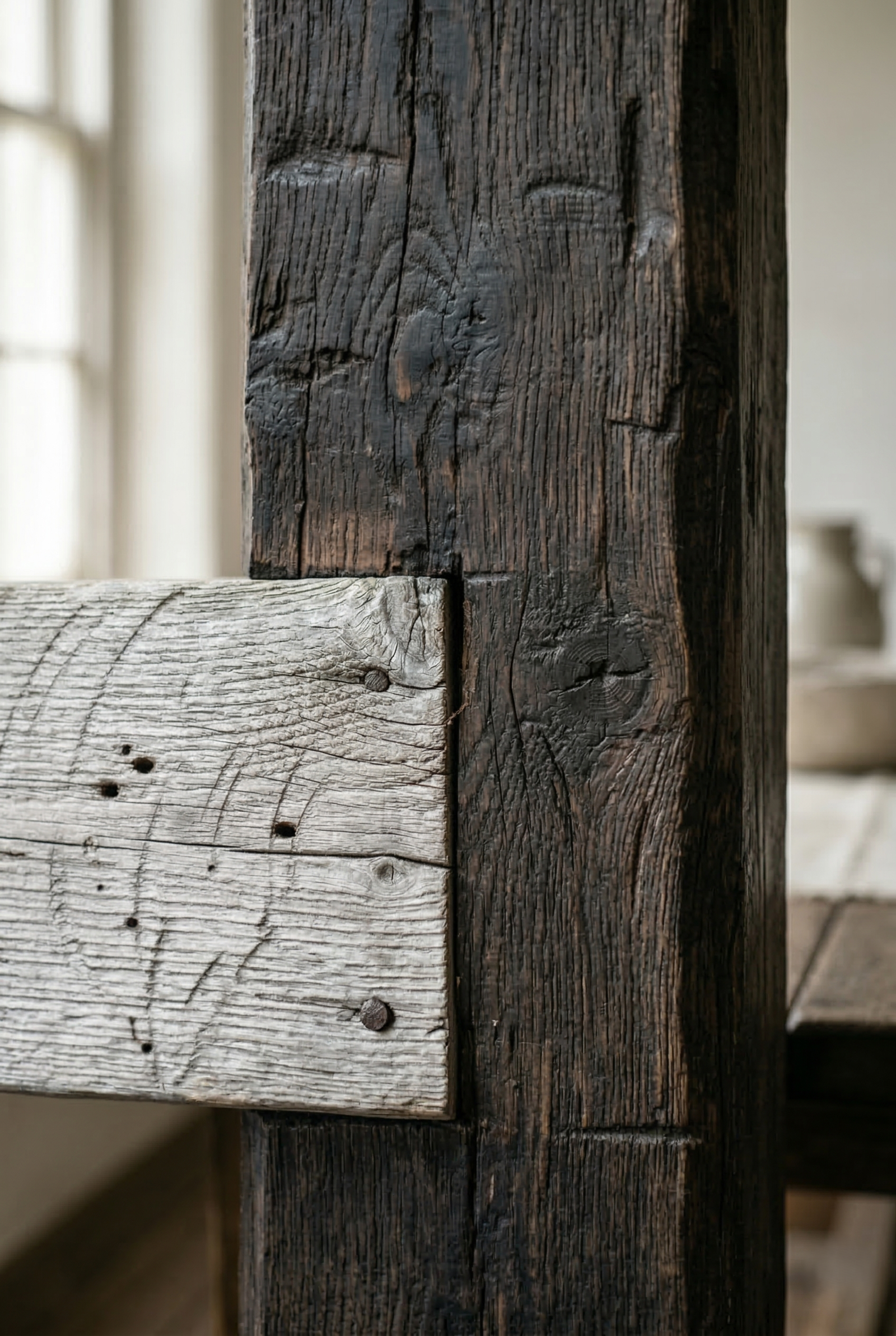
The key to using reclaimed wood without falling into “generic farmhouse” territory is restraint. At Rustic Dream Life, we believe in the “Power of One”—one significant, high-quality reclaimed piece often carries more weight than a room full of distressed replicas.
1. The Mix of Hard and Soft
Avoid the “all-wood” look which can feel heavy and dated. Instead, place a reclaimed wood coffee table on a plush wool rug. The juxtaposition of the rugged timber against the soft fibers creates that cozy rustic interior we strive for.
2. Lighting the Grain
To truly appreciate the beauty of salvaged timber, warm, natural light is essential. Side-lighting from a window during the “golden hour” will catch the ridges and imperfections of the wood, turning a simple piece of furniture into a work of art.
3. Kitchens and Bathrooms
Don’t be afraid to use reclaimed wood in functional spaces. A reclaimed wood island top in a Rustic Cottage Kitchen or a simple salvaged wood shelf in a Timeless Bathroom Sanctuary adds an organic element that softens the coldness of tile and stone.
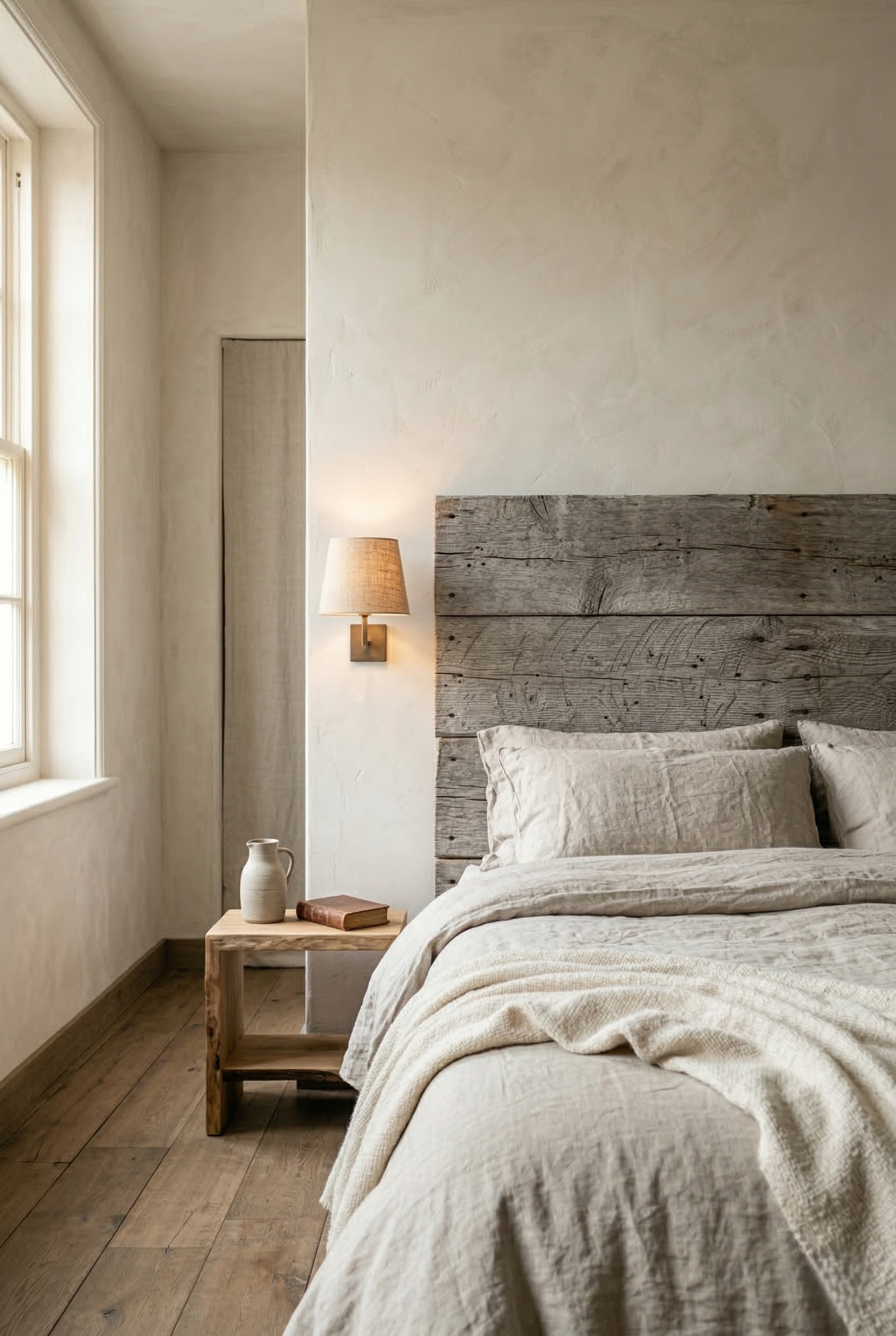
The Art of Sourcing: Finding Wood with a History
Sourcing reclaimed wood is a cornerstone of Slow Living. It requires patience and a discerning eye. To ensure you are getting authentic, high-quality material that fits the “Rustic Luxe” aesthetic, consider these three avenues:
- Specialist Reclamation Yards: These are the gold standard. They kiln-dry the wood to remove moisture and pests, making it stable enough for indoor use without warping.
- Local Artisans: Seek out makers who specifically work with “salvaged” or “fallen” timber. This supports the Craft & Materials pillar of our brand and ensures your piece has a traceable local story.
- Architectural Salvage: For those seeking structural character—like corbels or mantelpieces—salvage yards offer fragments of old Victorian or industrial buildings that add immediate “Quiet Luxury” to a room.
A Note on Authenticity: Look for “circular saw marks” or “hand-adze” textures. These are the fingerprints of history that mass-produced “distressed” wood simply cannot replicate.
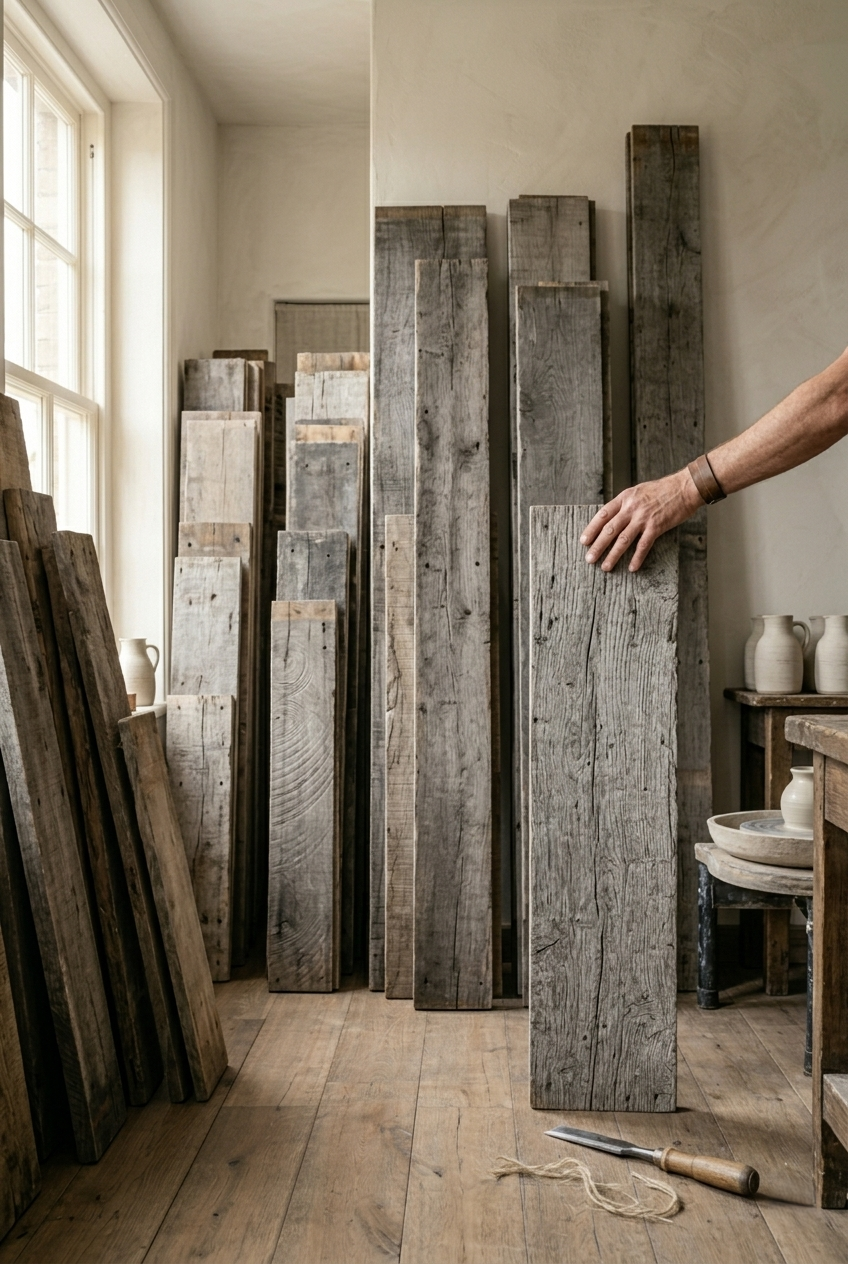
Honoring the Grain: Caring for Reclaimed Wood
Because reclaimed wood is porous and aged, it requires a different approach than factory-finished furniture. To maintain the “natural materials” look without making it feel “over-styled,” follow these care principles:
- Avoid Harsh Chemicals: Never use silicone-based sprays or bleach. These strip the natural patina and create a synthetic shine that breaks the Warm, Natural brand framework.
- Natural Oils and Waxes: Use high-quality beeswax or linseed oil. These nourish the wood from within, darkening the grain slightly and providing a soft, matte glow that feels “lived-in” and soulful.
- Humidity Control: Wood “breathes.” To prevent cracking, maintain a consistent humidity level in your home. This is especially important for Rustic Cabin Living, where wood stoves can dry out the air.
- The Beauty of the Mark: In a Slow Living home, a new scratch or water ring isn’t a disaster—it’s the next chapter of the wood’s story. Embrace the evolving patina.
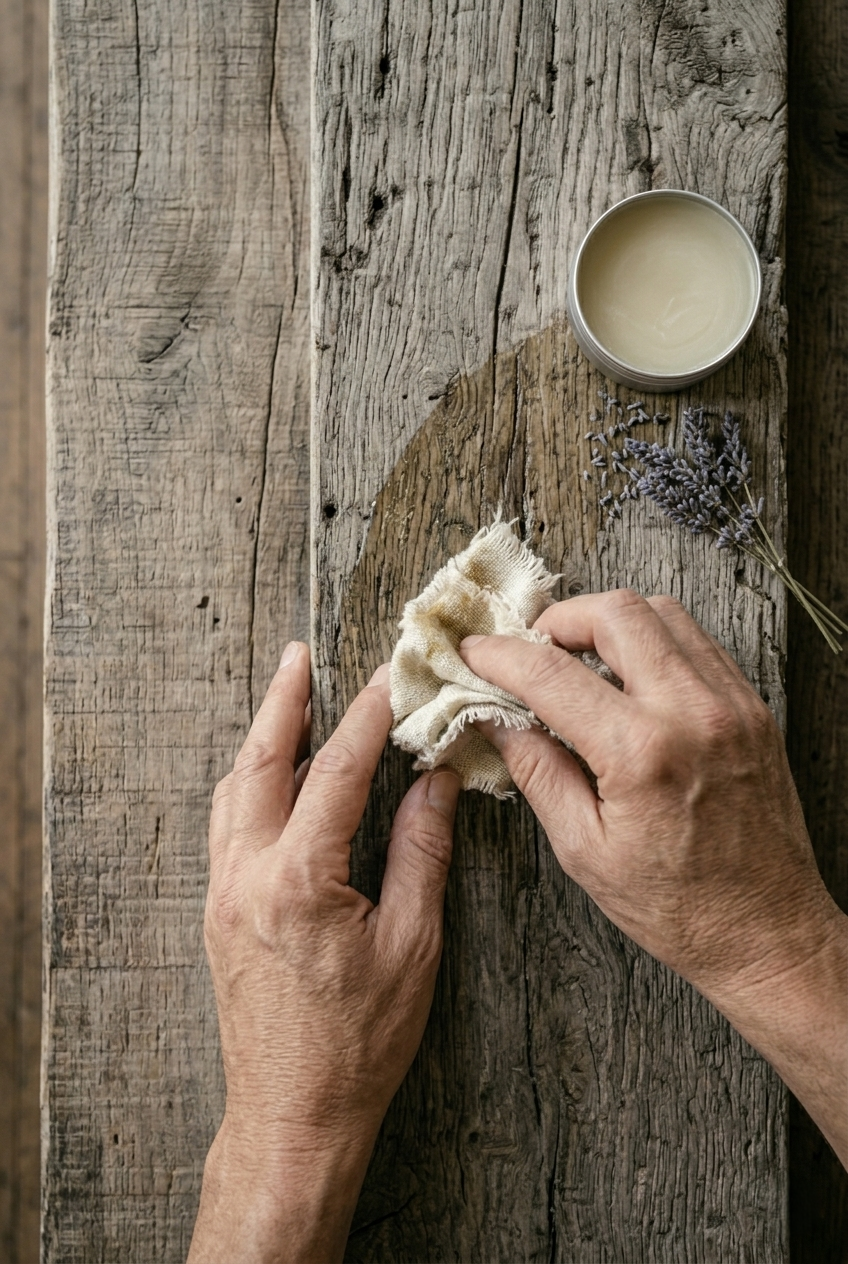
Building a Home with a Soul
Ultimately, reclaimed wood is for those who value the “imperfectly perfect.” It is for the homeowner who finds beauty in a knot or a subtle color variation. By choosing materials with a history, you aren’t just decorating a space; you are curated a legacy.
As we move further into the era of Biophilic and Wellness Living, the presence of old wood reminds us to slow down, breathe, and appreciate the enduring strength of nature.

Ayla Wood
Ayla Wood is a rustic home and decor blogger who curates cabin style, cozy interiors, and warm, nature-inspired design. Her work brings the charm of rustic living into everyday life.

You May Also Like